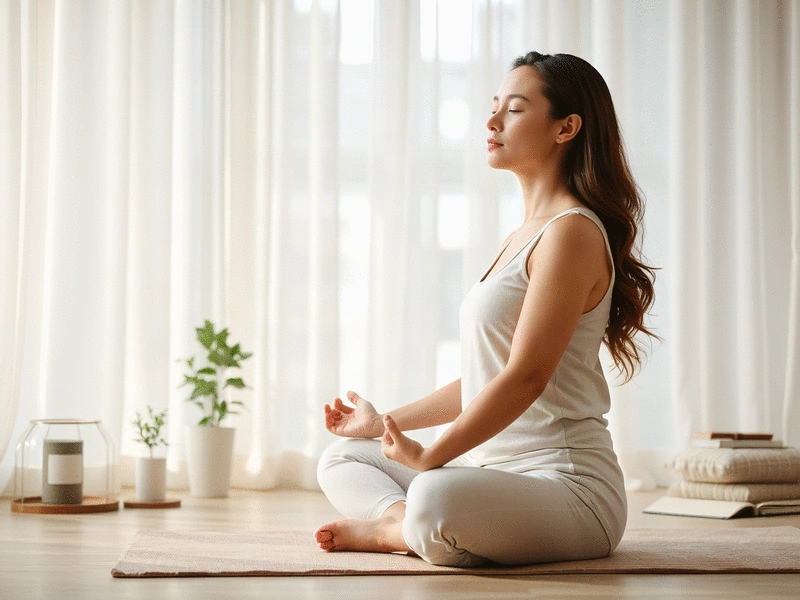
Recognizing Symptoms of Stress
- • Emotional: anxiety, irritability
- • Physical: headaches, fatigue
- • Behavioral: sleep changes, withdrawal
What if you could transform stress into a source of strength? Understanding stress and its unique impact on women can empower you to navigate life's challenges more effectively. Here are some key insights from our exploration of this crucial topic.
Understanding the common symptoms and effective management techniques for stress is crucial for women. The visual below outlines key areas of stress manifestation and practical strategies for relief, promoting a holistic approach to well-being.
Stress is a common experience that many women face, and its effects can be profound and far-reaching. As we navigate our careers, families, and personal lives, understanding how stress manifests and impacts us is crucial. At Collaboration Over Competition, we believe that recognizing stress is the first step in managing it effectively, allowing us to support each other in our journeys toward well-being.
Women often experience stress differently than men, influenced by various factors such as hormonal changes, societal expectations, and personal responsibilities. By understanding the unique stressors we face, we can empower ourselves and each other to seek solutions that promote a healthier, more balanced life.
Being aware of the signs of stress is essential for effective management. Women may experience emotional, physical, and behavioral symptoms. Here’s a quick list of common symptoms:
Identifying these symptoms early can help you take proactive steps toward managing stress. Remember, it's okay to feel overwhelmed sometimes—what's important is how we respond and seek support from our community.
Women’s bodies go through significant hormonal fluctuations that can impact stress levels. For instance, during menstruation, pregnancy, and menopause, hormonal shifts can heighten feelings of anxiety and stress. Understanding this connection can empower women to manage their stress more effectively.
Recognizing these patterns helps us honor our bodies and feelings. When we understand how our hormones play a role in our stress, we can implement strategies to manage it more effectively.
As we explore ways to manage stress, it's vital to remember that there isn't a one-size-fits-all solution. What works for one woman may not resonate with another. Here are some practical techniques that can cater to our diverse experiences and promote collaboration among us:
By sharing these techniques, we can uplift each other and create a collaborative approach to stress management. Let’s dive deeper into some of these techniques!
Mindfulness and meditation are powerful tools for reducing stress. These practices help ground us in the present moment, allowing us to step back from overwhelming thoughts. But how can we incorporate them into our daily lives?
As we make mindfulness a habit, we can create a sense of peace and clarity, which benefits not just ourselves but also those around us.
Breathing techniques can provide immediate stress relief. Try this simple exercise the next time you feel overwhelmed:
Practicing this technique a few times can help calm your mind and body, allowing you to approach stressors with a clearer perspective.
Progressive muscle relaxation is another effective method for managing stress. It involves tensing and then relaxing different muscle groups, helping release built-up tension. Here’s how to do it:
By the time you reach the top of your head, you’ll likely feel much more relaxed and in tune with your body!
Physical activity is a fantastic way to combat stress. When we exercise, our bodies release feel-good hormones known as endorphins, which can uplift our mood and help us cope better with challenges. But what types of exercise are most effective?
Engaging in regular physical activity not only helps reduce stress but also strengthens our bonds as we may choose to exercise together, forming a supportive community.
Different types of physical activities can serve various needs when it comes to stress management. Here’s a quick overview:
Exploring these options can help you find what resonates best with you, making it easier to stick with a routine that supports your well-being.
Yoga and tai chi offer unique benefits for stress reduction. They emphasize deep breathing, mindfulness, and gentle movement, creating a calming practice that can improve mental and physical health. Consider trying:
Integrating these practices into your routine can foster a sense of peace and connection within our community of women.
What we eat plays a significant role in how we manage stress. A balanced diet can enhance our mood and overall health. Here are some nutrition tips to help combat stress:
By making mindful food choices, we contribute to our physical health, which in turn supports our mental well-being.
Here are some specific nutrition tips that can help lift your mood and energy:
Being mindful about what we consume is a powerful way to take charge of our well-being and support each other in the journey.
Many women have found relief through herbal supplements and essential oils. Some popular options include:
Always consult with a healthcare provider before starting any new supplements, ensuring what you choose aligns with your personal health needs.
Establishing healthy boundaries is crucial for maintaining mental health. As women, we often juggle multiple responsibilities and may feel pressured to please others. Here are a few ways to protect your mental health:
Setting these boundaries allows us to recharge and be more present for ourselves and those we care about.
It can be challenging to say no, especially when we want to support friends and family. Here’s how to do it gracefully:
Remember, saying no is a skill that takes practice, and it’s okay to prioritize your mental health.
Self-compassion and gratitude are vital for resilience. Here are simple practices you can incorporate:
Fostering a mindset of appreciation and kindness toward yourself can greatly enhance your emotional resilience.
Building a strong support system is essential for managing stress. Surrounding ourselves with love and encouragement can make a world of difference. Here are ways to cultivate supportive relationships:
By nurturing these relationships, we create a network of support that uplifts us all.
Think about the relationships in your life. Here’s a simple approach to identify your key supporters:
Understanding who your key supporters are allows you to lean on them when needed, fostering a strong sense of community.
Support groups can provide a safe space for women to share experiences and strategies for managing stress. Here’s how to find one:
Being part of a support group can help you feel less isolated and more empowered on your journey.
As we explore the various techniques for managing stress, we’d love to know: What strategies have you found most effective in your journey? Share your thoughts below:
Taking control of your stress management journey is about embracing a holistic approach that nurtures not just your mind, but also your body and spirit. At Collaboration Over Competition, we believe that every woman has the power to prioritize her well-being through self-care and creative expression. By integrating various techniques into your daily routine, you can enhance your ability to cope with stress and cultivate a more balanced life.
One powerful method is engaging in creative expression, which allows you to channel your emotions into something tangible and fulfilling. Whether it's through painting, writing, or crafting, the act of creation can be both therapeutic and empowering. It’s an opportunity to reflect on your thoughts and feelings, turning stress into art!
A holistic approach to stress relief emphasizes the connection between your mind, body, and spirit. Here are some techniques to consider:
Each method not only fosters relaxation but also encourages self-discovery, helping you feel more connected to yourself and your community. What creative outlet resonates with you the most?
Art therapy techniques can be uniquely beneficial for stress management. Engaging in creative activities allows you to express your feelings in a safe and constructive way. Consider trying:
These creative outlets not only reduce stress but also build a deeper understanding of your emotions. As you explore these techniques, remember to celebrate your creations, no matter how big or small!
Women may experience emotional symptoms like anxiety and irritability, physical symptoms such as headaches and fatigue, and behavioral changes like altered sleep patterns or social withdrawal. Recognizing these early can help in effective management.
Hormonal fluctuations during the menstrual cycle, pregnancy, and menopause can significantly impact stress levels, leading to heightened irritability, mood swings, and increased anxiety. Understanding this connection is key to managing stress effectively during these periods.
Recommended techniques include mindfulness and meditation, regular physical exercise (cardio, strength training, yoga, tai chi), adopting healthy eating habits, establishing clear boundaries, and creating supportive social connections.
Start with just five minutes a day, focusing on your breath in a quiet space. Guided meditation apps like Headspace or Calm can be helpful. You can also practice mindfulness during daily activities such as eating or walking by engaging all your senses.
Physical activity releases endorphins, which are feel-good hormones that can uplift mood and improve coping mechanisms. Types of exercise like cardio activities, strength training, and mind-body practices such as yoga and tai chi are particularly beneficial for stress reduction.
A balanced diet rich in fruits, vegetables, and whole grains can enhance mood and health. Incorporate healthy fats (avocados, nuts) for brain function, stay hydrated, and limit sugary foods to avoid energy and mood crashes. Omega-3 fatty acids are also beneficial.
Establishing boundaries involves assessing commitments, saying no when necessary without guilt, and communicating limits openly. This allows women to recharge, prioritize their needs, and be more present for themselves and others.
Building a strong support system through friends, family, and community groups is essential. Nurturing these relationships provides encouragement, reduces feelings of isolation, and creates a network that uplifts individuals during challenging times.
Engaging in creative activities like art therapy (collages, coloring), journaling, music, or dance allows for emotional release and can transform stress into a constructive outlet. These methods foster relaxation, self-discovery, and a deeper understanding of emotions.
Embracing a stress-free lifestyle isn't just about managing stress; it's about building resilience through daily habits and mindset shifts. At Collaboration Over Competition, we encourage you to cultivate a community of support, allowing you to lean on others during difficult times. Surrounding yourself with like-minded women can transform your approach to stress, reminding you that you are not alone on this journey.
Building resilience can significantly enhance your overall well-being. By practicing daily habits that promote mental clarity and positivity, you can better navigate life's challenges. What small changes can you make today to foster resilience in your life?
Here are some effective habits to incorporate into your daily routine to help build resilience:
Each of these practices can contribute to your overall resilience and help you face stress with a renewed perspective.
Your community can be a powerful ally in your stress management journey. By nurturing these connections, you can create a supportive environment that fosters growth and healing. One impactful way to engage with your community is through volunteer work.
Volunteering not only supports those in need but also enhances your own well-being. Here are some benefits:
As you consider ways to give back, think about how your unique skills can uplift others while also enhancing your own sense of purpose. Together, we can create a more supportive and empowered community.
Here is a quick recap of the important points discussed in the article:
Our Vision
A world where women no longer view each other as competition, but as collaborators — celebrating one another's wins, lifting each other through challenges, and proving that collective success is the truest form of empowerment.
Collaboration Over Competition began with a simple, powerful observation: too many women were navigating their dreams in isolation, taught from an early age to see other women as obstacles rather than allies.